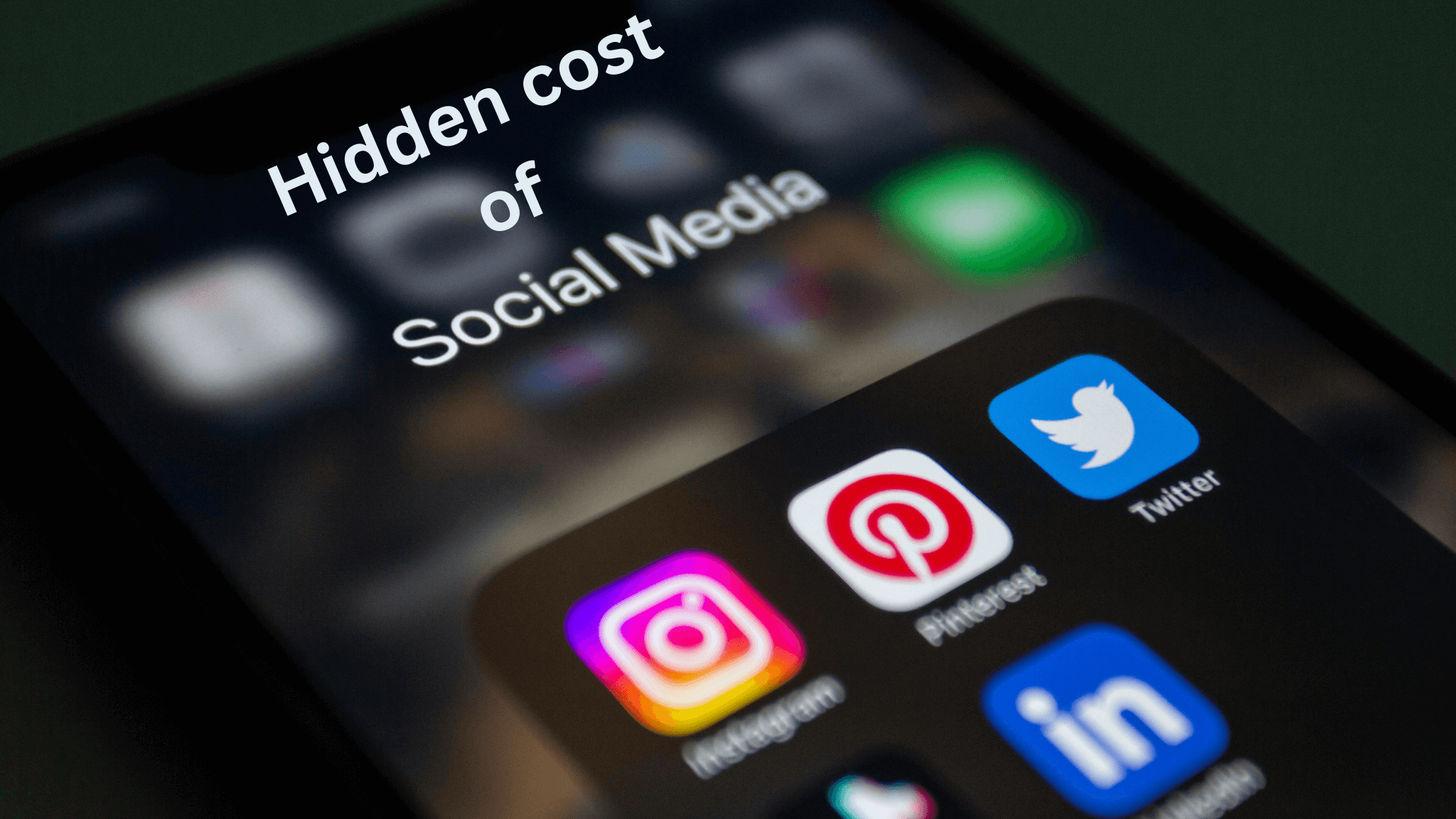
Escaping the Social Media Trap: Regain Your Focus and Life
Social media has become an unavoidable part of our daily routine. While it keeps us connected, informed, and entertained, it also comes with hidden consequences—chiefly, lost time, reduced attention span, and impacts on mental and physical well-being. This article explores how constant online scrolling can derail our productivity and offers practical steps to regain control.
How Much Time Are We Losing?
Studies show that the average person spends over three hours a day on smartphones, with a large portion dedicated to platforms like Instagram, TikTok, YouTube, and Facebook. These apps are engineered to capture attention through endless scrolling and bite-sized content, creating quick dopamine hits that make it difficult to disengage.
The Problem With Short-Form Media
Quick videos are fun and addictive, but they train the brain to seek instant rewards. After watching only a few clips, many people find it hard to remember what they just saw. This leads to reduced focus on longer tasks, like reading, studying, or completing work projects. The brain becomes conditioned to crave immediate gratification, making sustained attention increasingly challenging.
As one user shared: “After hours of scrolling short clips, I realized I couldn’t focus on even a single chapter of a book. My mind felt active but unproductive.”
Another reflection: “I spent my youth glued to apps instead of building skills or working toward my goals. Now I see all that time gone.”
Effects on Mental and Physical Health
Excessive social media usage doesn’t just cost time—it can harm mental and physical health. Many people tie their happiness to likes, comments, and followers. A dip in engagement can trigger anxiety, self-doubt, or even depression.

Physically, long screen hours lead to eye strain, poor posture, and less physical activity. Continuous online engagement replaces real-world interactions, which are essential for building meaningful relationships and staying healthy.
How Successful People Limit Distraction
Interestingly, tech creators understand the addictive nature of their products. Elon Musk reportedly limits his daily screen time to just a few minutes, while Mark Zuckerberg restricts his children’s access to devices. This demonstrates that awareness and intentional limits are key to avoiding digital burnout.
Remembering Life Before Social Media
Before the era of social apps, people spent more time outdoors, exercised, and focused on personal goals. Relationships were nurtured face-to-face, and attention was devoted to meaningful tasks. Revisiting these habits reminds us that life without constant notifications is richer and more fulfilling.
The True Cost of Social Media Addiction
Time spent endlessly scrolling is time lost forever. Careers, personal goals, and even happiness can be affected. One person wrote: “Hours spent online felt like my life was slipping away. I wasn’t achieving anything meaningful.”

A 15-Day Challenge to Break the Habit
Overcoming social media addiction requires consistent effort. Start with a 15-day detox plan:
- Remove or limit access to social apps on your phone.
- Set specific goals for reading, learning, or exercising instead.
- Reconnect with friends and family offline.
- Engage in physical activities like walking, yoga, or sports to improve both mind and body.
If 15 days feels too long, begin with shorter periods and gradually increase. The aim is to regain focus, not achieve perfection immediately.
Taking Back Your Life
Excessive screen time steals your attention and potential. By consciously reducing digital distractions, you can rediscover meaningful activities, nurture relationships, and grow personally. Don’t let hours wasted online define your future. Start today to reclaim your time and life.
“Nothing in this world is free. Every choice has a cost.” Make sure the price of social media is not your success or happiness.
Related Insights
- A user said: “Scrolling through social media consumed so much of my time that I struggled to focus on anything else.”
- Parents should monitor children: “Screen time habits can open doors to other risky behaviors if not managed carefully.”
These real-life lessons remind us: action today protects your tomorrow.